Contributing Writer
SAN FRANCISCO — The Supreme Court April 1 heard oral arguments challenging President Donald Trump’s birthright citizenship ban, which deals a heavy blow to immigrant families by denying automatic citizenship to anyone born in the U.S.
The case — Barbara vs. Trump — challenges Trump’s Jan. 21, 2025 executive order, which denies automatic citizenship to babies born in the U.S. if their parents lack permanent legal status. The Asian Law Caucus filed the lawsuit along with the ACLU, the NAACP Legal Defense Fund, and the State Democracy Defenders Fund.
Trump attended the first part of the hearing, the first time a sitting president had attended a Supreme Court hearing.
Four lower courts have issued temporary injunctions against the enforcement of Trump’s executive order.
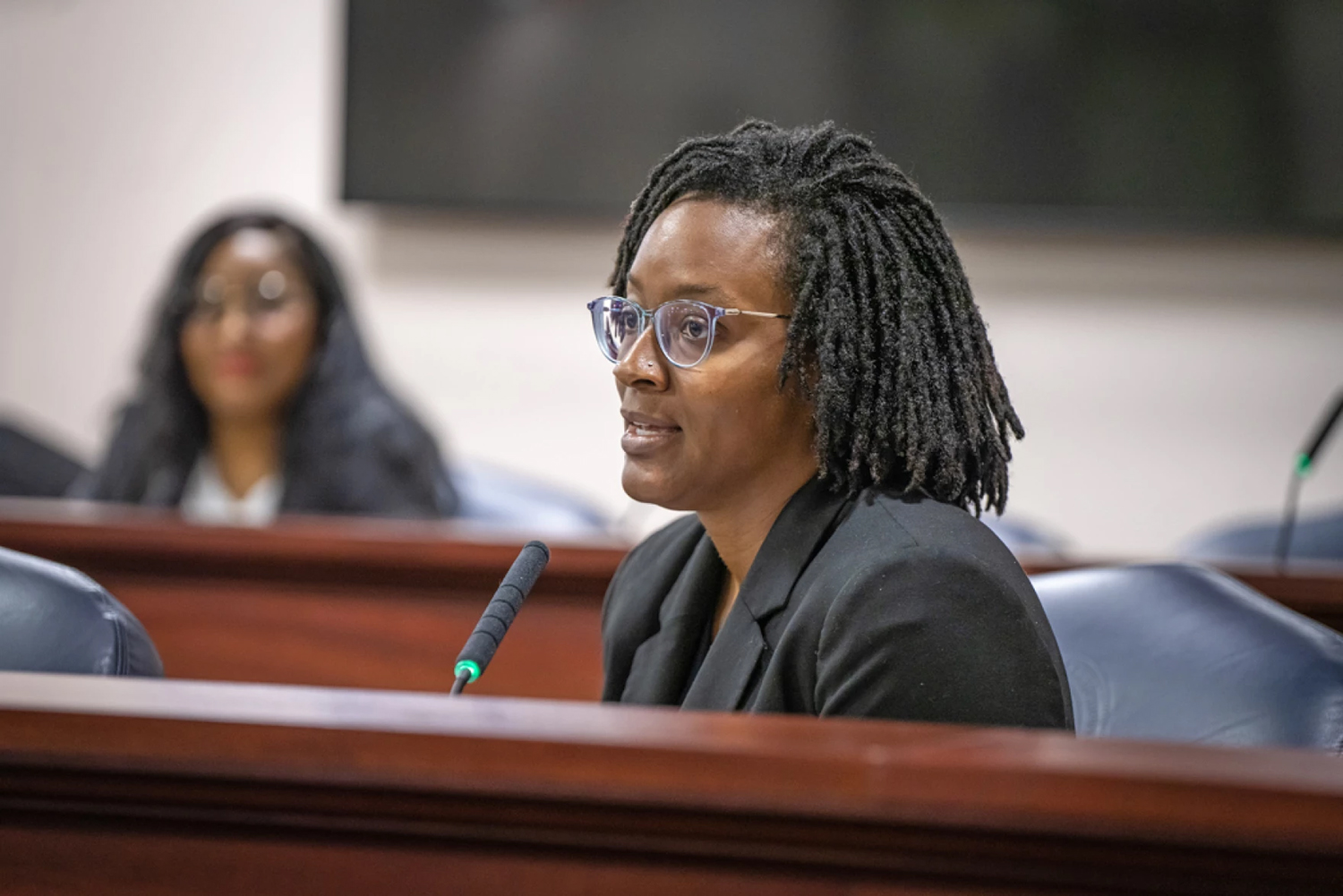
“The reach of the executive order is exceedingly broad,” said Winnie Kao, senior counsel for impact litigation at the Asian Law Caucus. “It targets not just babies whose parents are undocumented, but babies born to folks who are here legally on work visas, student visas, asylum seekers, DACA recipients, and others,” said Kao, speaking at a March 26 press briefing hosted by several organizations involved with the lawsuit.
“It’s really hard to think of a stronger legal case. The executive order is contrary to the text and history of the Citizenship Clause of the 14th Amendment,” Kao said.
“This executive order would strip thousands of U.S.-born children of their rights as U.S. citizens, permanently marginalize them from our democracy, and leave them vulnerable to immigration enforcement. In addition, if the court upholds the government’s theories, the citizenship of other Americans could be called into question,” she noted.
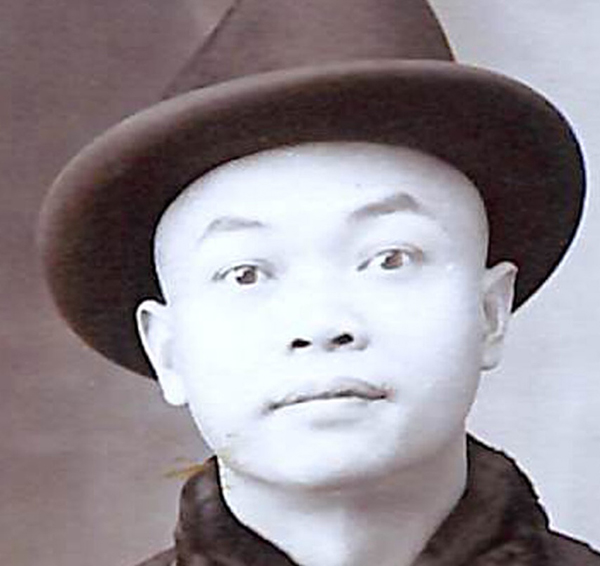
Trump’s executive order rescinds an 1898 Supreme Court order, said noted Asian American activist Helen Zia, in an interview with American Community Media. An Asian American man, Wong Kim Ark, was born in San Francisco to Chinese immigrant parents. But like so many Asian men at that time, Ark returned to China to find a wife because women from China were barred from entering the US.
When he returned to America, he was told that the Chinese Exclusion Act of 1882 prevented him from entering the country. “So Wong Kim Ark fought his way through the court system to say, ‘I was born here. The Constitution gives me the right to be in the U.S. I’m an American born citizen,’” Zia said.
The Supreme Court upheld the 14th Amendment in Ark’s case.
“All persons born or naturalized in the United States, and subject to the jurisdiction thereof, are citizens of the United States,” the amendment said.
In an interview last year with American Community Media, Tom Wolf, director of Democracy Initiatives at the Brennan Center for Justice, clarified the scope of the 14th Amendment. Birthright citizenship is currently extended to the babies of anyone whom federal law can be enforced against, he noted.
“Whether you are here on some sort of documented status or undocumented status, you’re still subject to the law. If you break the law you can be arrested and you can be jailed,” Wolf said. The only exceptions are foreign diplomats and their children.
But if the Supreme Court upholds Trump’s ban, millions of immigrant children would be impacted. Zia — the daughter of Chinese immigrants who were undocumented when she was born — told American Community Media she fears becoming denaturalized, after more than seven decades of living in the U.S.
“This executive order, if it should come to pass, it has no backward barrier,” she said. “It could also look at anybody who is the child of people who are undocumented. And all of those people, no matter when or how old they are or when they were born in America, could have their citizenship removed.
”Where would I go? Would I be deported to an El Salvadoran prison,” she asked.

Zia’s fears echo the sentiments of many Asian American immigrants in this moment, as uncertainty hangs over their futures and the futures of their American-born children. But Trump’s executive order states that only children born after Jan. 21, 2025 — the date the order was issued — would be subject to the ban on birthright citizenship.
American Community Media spoke to several attorneys involved with the lawsuit, who noted the executive order would be impossible to implement retroactively.
Anisa Rahim, legal director for the South Asian American Justice Collaborative, noted that South Asian Americans would be particularly hard-hit if the ban is implemented.
“It would deter talented individuals from migrating to the United States. It would harm vital sectors of the U.S. economy, and it would risk statelessness for U.S.-born individuals,” she said.
Of particular concern to South Asian Americans is the green card backlog. The Cato Institute estimates that currently 1.2 million Indians with approved green card applications are waiting for their green cards, a process that could take up to 8 decades. Per country caps mean that no more than 7% of all green cards available each year go to a single country.
Each year, only 140,000 employment-based visas are allocated to all countries; about 9,800 are allocated to people from India. And even though they have approved green card applications, they are not considered lawful permanent residents until they have their green card, which means their children are not eligible for birthright citizenship.
Rahim noted a possible brain drain if the executive order is upheld. Indians constitute large portions of tech, health care, and hospitality industries, she noted.
“What we’re preparing for is this idea that our community members would be stateless. There would be this underclass of people who live in our country that are extremely vulnerable to being discriminated, and not allowed in certain spaces,” said Roslyne Shiao, co-executive director, AAPI New Jersey.
The Supreme Court is expected to issue its ruling on Barbara vs. Trump this summer.
Sunita Suhrabji writes for American Community Media.