By Janice Hayes Kyser
Contributing Writer
SOUTH LOS ANGELES — It started out as a group of six Black women coming together to advocate for the health of Black babies in South L.A.
The women were troubled by the high maternal and infant mortality rates in their community and wanted to do something about it. So, in an act of sisterhood and service they matched pregnant women with mentors who coached them through their pregnancy and stayed with them until the child was at least a year old.
Today, nearly three decades later, Black Women for Wellness is still making a difference in the community. The group has expanded its programs to provide culturally grounded health education, reproductive health resources, nutrition and chronic disease prevention programs, and leadership development opportunities for thousands of Black women and girls.
And while the mission and membership has grown, the organization hasn’t migrated far from its roots, still adhering to a by-Black-women-for-Black-women philosophy steeped in the culture.
“Our connection and care for the community is our unsung story,” said Tyla Adams, who leads the organizations Sisters in Control Reproductive Justice Program. “We are them and they are us. We bring our efforts to people where they live, we understand their challenges and we offer culturally relevant solutions with care and compassion.”
One example of this is the Fierce Aunties program which Black Women for Wellness launched in 2024 based on the understanding that Black aunties have historically been instrumental in nurturing and supporting their families. However, they haven’t always been fully included in discussions surrounding reproductive justice.
The Fierce Aunties Campaign seeks to change that narrative by inviting aunties to join the movement to secure safe and equitable sexual health services, abortions and reproductive health care for young women and girls.
Jametra “Mi Mi” Allen, is one of Black Women for Wellness’ fierce aunties. Allen says in addition to providing diapers, wipes and hygiene products, the initiative gives young women and girls a shoulder to lean on and a place to turn to be heard.
Fierce Aunties are required to join Black Women for Wellness, which costs $75 a year, and donate five to 10 hours a month to the program.
Allen says the fulfillment she gets from knowing she’s making a difference in the lives of young women in her community is priceless.
“The reality is a lot of our young people don’t have people in their lives they can turn to for support,” Allen said. “I’m a caring and compassionate person and it is an honor to be in a position to help empower and build confidence in our young women.”
Kim Robinson, community liaison for Black Women for Wellness, says the group’s efforts not only target the health and well-being of individuals, but focuses on the systems they must navigate on their wellness journey.
Earlier this year Black Women for Wellness’ Executive Director and Co-Founder Janette Robinson-Flint, was honored by the L.A. City Council for her work on behalf of her community. In accepting the award, Robinson-Flint said: “When Black women lead, we don’t just imagine a better future… we advocate, protest, change policy, feed the babies, and do the work to build it.”
That work includes a partnership with the Centers for Disease Control and Black Women’s Health Imperative, the organization conducts a diabetes prevention program — a 12-month “Change Your Lifestyle, Change Your Life” program that gives participants the tools and support to prevent diabetes.
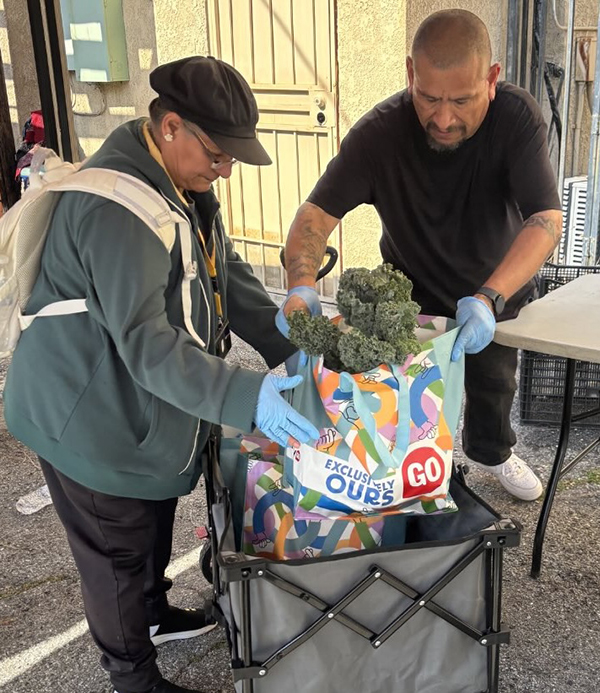
It also provides a wellness guide to members and distributes healthy food boxes and twice a month. All of these programs are free to community members.
“Everything we do is guided by the voices and experiences of the people we serve,” Robinson-Flint said. “We believe that solutions to health inequities must come from the communities most impacted by them. When Black women are informed, supported, and empowered, entire communities benefit.”
Robinson adds that the work of Black Women for Wellness requires both immediate support and systemic pressure which is why the organization collaborates with health departments, coalitions and other organizations, recognizing that collective power outweighs solo efforts.
“Our impact can be seen in the lives of the thousands of women and families we serve every day,” Robinson-Flint said. “We have helped raise awareness about health disparities and empower Black women to advocate for themselves and their communities”
Robinson-Flint adds that Black Women for Wellness has helped pass laws and contributed to broader conversations about reproductive justice and health equity across L.A. and beyond while fighting for funding, resources and tackling social, economic and gender inequities.
Despite the barriers the group faces, Robinson-Flint says Black Women for Wellness will continue to organize, advocate, and push for change.
“The reality is Black women are playing both defense and offense in a system built against us,” Robinson-Flint said. “We will continue to fight for change.”
For more information about Black Women for Wellness’ programs or to join the organization visit the website at https://bwwla.org