Wave Staff and Wire Reports
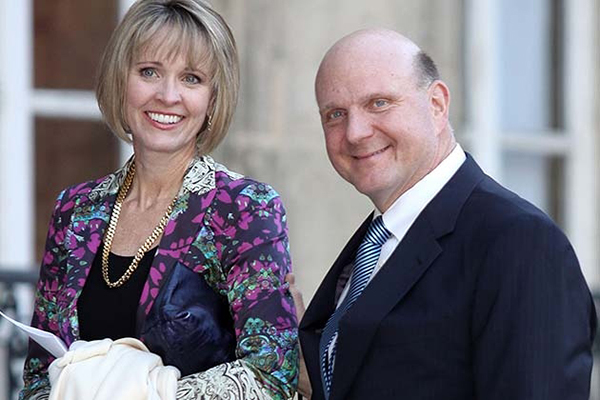
LOS ANGELES — The Ballmer Group, the investment company founded by Clippers owner Steve Ballmer and his wife Connie this week announced donations totaling $110 million to three Southern California universities.
Cal State Dominguez Hills in Carson received a $29 million grant, the largest philanthropic gift in its history, to educate hundreds of new mental and behavioral health professionals to serve South Los Angeles families and youth.
Cal State Los Angeles received $48 million — also the largest philanthropic gift in its history — and UCLA is getting $33 million, all for the same purpose.
The five-year investment from the Ballmer Group is aimed at increasing access to mental health care for children and families in underserved communities while preparing more counselors and social workers.
The Cal State Dominguez Hills grant will fund scholarships, licensure preparation, and emergency aid for students studying key fields related to community and mental health.
“This gift is a response to acute child and youth behavioral health shortages in South L.A. and adjacent areas — communities our students and graduates call home,” Mary Ann Villarreal, interim president at Cal State Dominguez Hills, said in a statement. “With this investment, CSUDH can expand access to opportunity for our students while preparing professionals committed to serving populations with the greatest need.”
The Ballmer Group’s commitment will support the launch of Toros Heal L.A., an initiative geared towards helping to strengthen the workforce needed to address the state’s documented shortage of mental health professionals.
“Cal State Dominguez Hills is a proven philanthropic partner and leader in preparing graduates ready to serve their communities,” said Kim Pattillo Brownson, director of strategy, policy, and partnerships for Ballmer Group Los Angeles.
“This investment will support a critically needed workforce and expand access to culturally responsive care across the region.”
At Cal State Los Angeles, officials said the funding will enable the university to train more than 1,000 additional social workers and family counselors through its master of social work and school-based family counseling programs.
“We deeply appreciate Ballmer Group for this grant, which will change lives across Los Angeles by preparing a new generation of counselors and social workers who reflect and understand the communities they serve,” Cal State L.A. President Berenecea Johnson Eanes said in a statement. “We have always been a university of impact, and this partnership with Ballmer Group elevates our capacity to meet the critical mental health and wellness needs of children, youth, and families across the region.”
The expansion will include doubling enrollment in the university’s one-year Master of Social Work program, increasing its two-year program by 50% and doubling its school-based family counseling program, officials said. Much of the funding will go toward student scholarships to reduce financial barriers for those pursuing public service careers.
At UCLA, officials said the investment will support expanded academic and clinical training across multiple departments, including psychology, social welfare and psychiatry, while strengthening partnerships with Los Angeles County’s Department of Mental Health.
“UCLA is not just a university in Los Angeles, it is a university of Los Angeles — so it is critical for us to address the growing youth mental health crisis in our community,” UCLA Chancellor Julio Frenk said in a statement. “The generosity of Ballmer Group will enable UCLA to equip more professionals with the skills and deep knowledge needed to care for young people and their families.”
The initiative is expected to provide additional training opportunities, fellowships and early-career pathways for students and postdoctoral fellows, with a focus on community-based care.
Ballmer Group officials said the funding is intended to help address workforce shortages and expand access to culturally responsive mental health services across the region.