By David Weiner
Contributing Writer
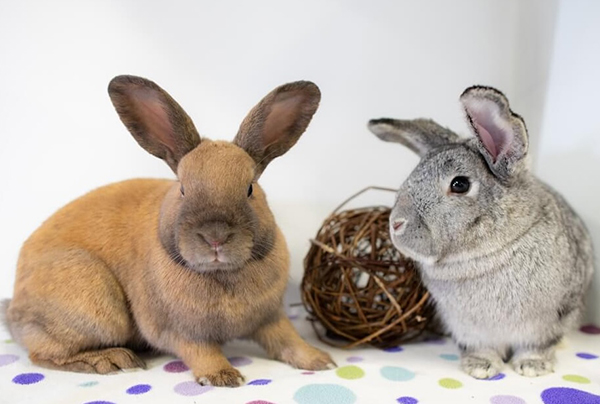
LOS ANGELES — Animal rescue groups and shelter officials are urging people not to buy live rabbits or baby chickens as Easter gifts for children as the April 5 holiday approaches.
Buying or adopting animals on a whim often leads to abandonment when the novelty wears off and families realize they’re not equipped to properly care for the pets. Instead of a live animal, rescue groups recommend buying a stuffed toy bunny or chocolate candy rabbit for kids’ Easter baskets.
“Every single year, we receive so many reports of people buying bunnies or chicks for Easter and discarding them once the novelty wears off,” Sarah McFarlane, faith outreach coordinator for People for the Ethical Treatment of Animals, told City News Service. “Shelters are flooded with not only dogs and cats, but rabbits, who are the third most common pet in the shelters.
“Every time someone buys an animal from a breeder, a shelter animal loses a chance to find a loving home,” she added. “Adding an animal companion to your family, this means a lifetime commitment. This means food and water, cleaning, exercise and veterinary care, and for rabbits that can be very expensive.
“When people are ready to add an animal to their family, PETA reminds them to always adopt, never buy from a breeder or pet store — and that goes for rabbits and chickens, too.”
California pet stores are prohibited from selling dogs, cats and rabbits unless they are obtained from a public animal control agency. But direct sales of rabbits are still permitted, including online, and illegal street sales also occur in which baby bunnies are sometimes deceptively marketed as adult “dwarfs.” These rabbits are rarely spayed or neutered, and purchasers can often find themselves dealing with one or more litters of unwanted rabbits, increasing the burden on city shelters and rescue groups.
The Los Angeles Rabbit Foundation, an arm of the House Rabbit Society, advises that rabbits make poor pets for small children.
“Most rabbits do not like to be picked up and held, and may scratch or bite in an effort to get free, or be injured when dropped,” the foundation said in a statement. The typical ‘Easter bunnies’ illegally sold on the streets or in pet stores are usually babies, taken from their mothers before they are properly weaned. They will die soon after purchase — hardly a fun experience for kids.
“Baby chicks and ducks also need a proper environment and diet. Ducklings will drown when left in the bathtub with no way to get out. When they grow up, chicks may turn into roosters that disturb neighbors. In an urban environment where owning them violates zoning laws, many adult chickens end up in animal shelters or are set free into environments where they cannot survive.”
For Bunny World Foundation — the Southland’s most active rabbit rescue organization — spring is the worst time of year, as the post-Easter dumping phenomenon coincides with rabbits’ natural breeding season to create an overwhelming influx of unwanted bunnies.
Jonathan Volzke, community outreach manager for Orange County Animal Care, says the county agency urges people to give chocolate or plush bunnies as gifts rather than a live rabbit.
“Often, when a new rabbit parent realizes how difficult and expensive proper bunny care can be, many of those impulse Easter gifts end up in local animal shelters or in the care of a bunny rescue,” he told City News Service.
“An animal should never be bought or adopted on impulse, including as an Easter gift,” Volzke added. “Buying from pet stores or websites like Craigslist often supports bunny mills where rabbits live their entire lives being bred for profit. They are typically confined to small cages with no ability to roam, perform natural behaviors, or know the love of a caring family.
Two Rabbit Rescue, a relatively new Southern California nonprofit group, told City News Service they also see increased numbers of rabbits being dumped around one to three months after Easter.
“They’re surrendered and abandoned on the streets, or given up at meat farms and related auctions,” they said.
“Often mistaken as starter pets, rabbits are actually highly sensitive animals with complex dietary, environmental and social needs,” the group wrote. “Rabbits are not meant to live in small cages, they need room to run and explore.
“Myth has it that rabbits only eat carrots: The truth is, they need plenty of hay, carefully portioned pellets, and a variety of fresh vegetables daily.
“The specialized exotic veterinary care rabbits require is significantly more expensive and harder to access than standard dog or cat care. Routine visits, emergency treatment, and necessary procedures like spaying or neutering can cost thousands of dollars over their lifetime.”
More information about proper rabbit care is available at rabbit.org/, or bunnyworldfoundation.org.
Officials also warn the public that Easter baskets can pose a danger to household pets. Colorful eggs, plastic grass, candy and chocolate can all be toxic if ingested by animals.
David Weiner is a reporter for City News Service.