New report calls for more options for minority women in state’s health workforce


By Edward Henderson
Contributing Writer
SACRAMENTO — A new report released by Black Women Organized for Political Action through its Training Institute for Leadership Enrichment and Hispanas Organized for Political Equality is shedding new light on the barriers Black women and Latinas face in California’s health care workforce — and the steps advocates say are needed to close those gaps.
The report, Pathways and Priorities in California’s Health Care Workforce: Insights from Black Women and Latinas, draws on the experiences of more than 800 young women across California and comes as the state confronts a growing shortage of health care professionals. Researchers say the findings highlight both the demand for health care careers among these communities and the systemic barriers that continue to limit access to those jobs.
According to findings, Black women and Latinas remain significantly underrepresented in health care professions despite representing a large share of California’s population. Latinos make up about 40% of the state’s residents but hold only 10%–16% of key health care roles. Black Californians represent about 5.3% of the population but occupy just 3%–3.9% of physician positions and as little as 2%–4% of midwifery roles.
At the same time, the need for health care workers is expected to increase dramatically. The Association of American Medical Colleges projects the United States could face a shortage of more than 85,000 physicians by 2036.
Advocates say expanding pathways into health care careers for Black women and Latinas could help address both challenges — workforce shortages and persistent health disparities.
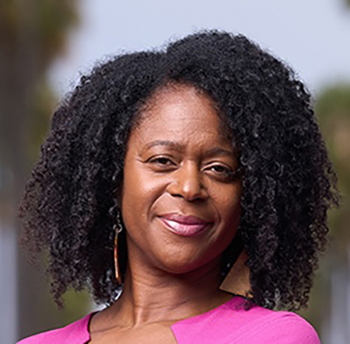
“This research makes clear that Black women and Latinas see health care careers as meaningful pathways to serve their communities and achieve economic mobility — yet the systems designed to support them are not keeping pace,” said LaNiece Jones, state executive director of Black Women Organized for Political Action.
“Removing systemic economic barriers, expanding accessible training pathways, and strengthening workplace supports are essential to closing representation gaps,” Jones added. “When we invest in their success, we strengthen families, communities, and California’s health care system as a whole.”
The study, conducted by the research firm EVITARUS, included a statewide survey of Black women and Latinas ages 18 to 29 as well as online focus groups. The research is the third installment in a multi-year initiative examining health care access and workforce equity.
While respondents overwhelmingly said health care careers are meaningful and stable opportunities, they also described significant barriers that make entering or advancing in the field difficult.
Nearly all participants cited the rising cost of living (98%) and housing affordability (95%) as major obstacles. Financial strain also affects education and career planning: four in 10 respondents said reductions in financial aid or job losses had negatively impacted their ability to pursue health care careers.
Mentorship and guidance were also identified as major gaps. More than half of respondents reported being discouraged from pursuing health care careers by family members, teachers, or counselors, and fewer than half said they had received encouragement to enter the field.
Despite those challenges, the desire to work in health care remains strong. Eighty percent of respondents said health care jobs are highly important to their communities, and 85% described the profession as a stable career pathway.
During an online webinar held March 11 to share the report’s findings, health care professionals and advocates said the results of the survey reflect the real-life experiences of many women of color as they navigate the health care workforce.
“This study is extremely affirming and validating,” said TaNefer L. Camara, a health care professional who participated in the discussion. “It mirrored my own experiences entering the health care field and navigating my post-undergraduate education while trying to map out a career.”
Myeshia Jefferson, a health equity navigator, pointed to the significant investments California has already made in maternal health programs but said more of those funds should be directed toward building career pathways for women of color in health care.
“There’s funding available. The question is how we ensure it reaches the areas that resonate with communities and creates real opportunities for Black women, Latinas, and other women of color to enter the health care field,” Jefferson said.
Several policy recommendations were also outlined to strengthen the health care workforce pipeline. Respondents identified expanding financial aid and loan forgiveness programs as the top priority, followed by increasing affordable transfer pathways into health care degree programs and improving workplace conditions.
Other key recommendations include expanding early STEM and health career exposure for students and increasing paid health care internships.
For Josephine Appiah of Black Women Organized for Political Action, the report’s central message is the importance of centering the lived experiences of Black women and Latinas in policy discussions.
“The report highlights the lived experiences of Black women and Latinas across the state,” Appiah said during the webinar. “When we address the social and economic barriers they face — from scholarships to educational support — we create real opportunities for individuals to pursue the health care careers they intend.”
Edward Henderson is a reporter for California Black Media.