THE HUTCHINSON REPORT: It’s time for officials to get rid of garbage mountains

By Earl Ofari Hutchinson
Contributing Columnist
The figure is absolutely astounding. In one two-month period last year, there were more than 22,000 complaints of illegal dumping on street corners, lots and parks in Los Angeles. Even more astounding, but hardly surprising, the bulk of the illegal dumping was in the San Fernando Valley, and South and Central Los Angeles.
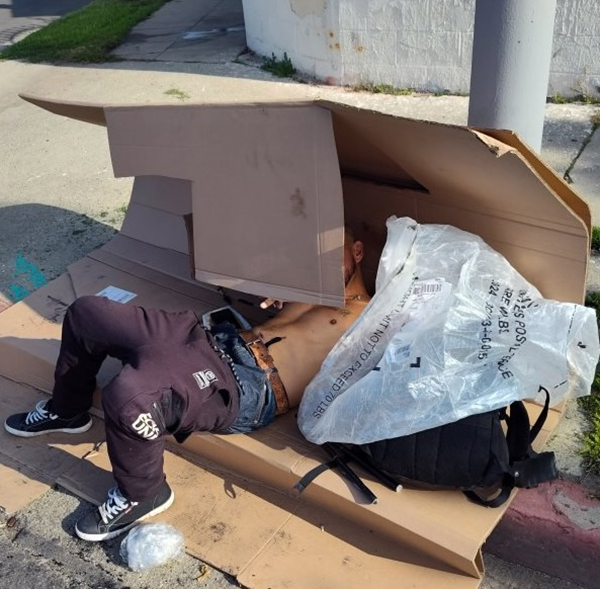
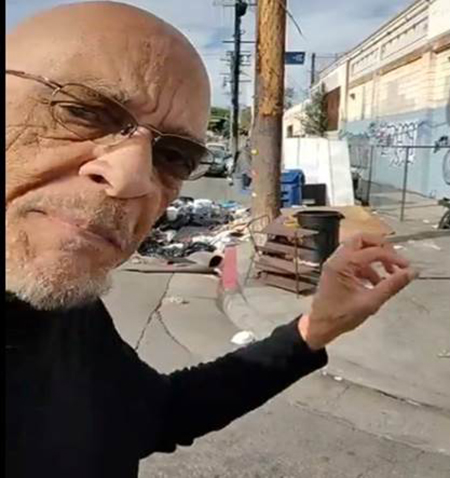
In more than a few places, the dumped garbage was so high it formed mini mountains. The garbage piles contain just about every type of throwaway item imaginable from burned-out cars to furniture items.
There is no indication that the number of complaints in the first two months of 2026 will drop. In fact, a most cursory look at countless street corners in South L.A. is ample proof that the illegally dumped garbage mountains are larger than ever.
Mayor Karen Bass, the Department of Sanitation, and Los Angeles City Council members have wrung their hands over what to do about the illegal and environmentally hazardous garbage dumping problem. They urge prompt reporting of dumping, taking names and numbers of the dumpers, upgrades to the city’s dumping tracking system, and tough fines for the perpetrators. Meanwhile, the problem literally grows larger.
The grim reality is that the trash dumps are not just a product of clandestine, illegal, overnight dumping. They have accumulated over weeks.
How does this continue to happen? Countless residents, business owners in the area as well as motorists and pedestrians see them daily. These same homeowners, renters and businesspersons must live with the enormous toxic, health, safety and environmental hazard that the garbage pileups pose.
Certainly, city officials can see these dump sites, too. Worse still, even if they didn’t, residents complained that they repeatedly report them. This is not conjecture.
A Facebook Livestream I posted on two separate occasions spaced months apart of several repulsive dumping sites drew many angry comments from respondents who live near the sites. They claim that their complaints to the city’s sanitation department as well as their City Council representative were ignored.
Several said that they got no response from their calls and letters of complaint. I reached out twice to the L.A. Department of Sanitation. I sent the department footage I shot of the sites.
I also forwarded some of the responses I received on my Facebook post from residents imploring the department to act on their clean-up requests. No response has been received.
This is hardly the first time that the issue of garbage dumping in South L.A. has sparked rage and a demand for action. The Sanitation Department has also come under fire. The complaint is that Sanitation Department officials ignore the residents’ report of illegal garbage dumping as well as the disparity in trash pickups.
The City Council in times past ordered the department to develop “a plan and a timeline for the bureau to eliminate and prevent any backlog of unresolved service requests and any disparities in service.” This was an easy call to make.
Department officials pushed back and insisted that the complaints weren’t ignored and that they had devoted extra resources to garbage pickup and clean up in South L.A. and other lower income areas of the city. Again, that was a decade ago. However, the block after block of garbage items openly piled up in plain view belie the claim.
Countless studies and surveys on chronic environmental racism that threaten poor Black communities in L.A. and nationally repeatedly document the monumental health hazards that they pose to the residents. The hazards include pollution spewing plants, toxic landfills, contaminated drinking water, and — most prominently and visibly — illegal garbage dumping sites. A report by Ecolab in 2025 detail five specific dangers that the toxic waste sites pose. They include:
• Bacteria, insects and vermin thrive from garbage. They vastly heighten the risk of contracting salmonella, which causes typhoid fever, food poisoning, enteric fever, gastroenteritis and other major illnesses.
• Overflowing waste causes air pollution. This causes various respiratory diseases and other adverse health effects as contaminants are absorbed from lungs into other parts of the body.
• Garbage contaminates surface water, which affects all ecosystems. This affects everything existing in the water, including fish and other animals that drink polluted water. Hazardous household waste items such as batteries, computer equipment and leftover paints can be particularly dangerous for surface water.
• Direct handling of overflowing waste further heightens health risks. This is especially dangerous. Many individuals who live near the garbage dump sites sort through the items. That entails actually handling them. That poses the added risk of infections, chronic diseases and accidents as well as skin and blood infections through infected wounds, various illnesses resulting from the bites of animals feeding on the waste, and intestinal infections transmitted by flies feeding on the waste.
• Inefficient waste control is bad for municipal well-being. This is obvious. The fact that mountainous garbage piles even exist in densely packed neighborhoods guarantees that health, safety and environmental toxins and exposure affect large numbers of individuals. That includes many children.
These damaging health hazards imperil too many lives. The time for even greater action on L.A.’s mounting garbage mountains is now.
Earl Ofari Hutchinson is an author and political analyst. His latest is book “The ICE Shooting Scorecard” (Amazon ebook and Middle Passage Press PB) He hosts the weekly news and issues commentary radio show “The Hutchinson Report” Wednesdays at 6 p.m. at ktymgospel.net and Facebook Livestreamed at facebook.com/earl.o.hutchinson.