By Marc H. Morial
Guest Columnist
College sports can open the doors of opportunity for student athletes. All too often, exploitation is what steps through the opening.
The SCORE Act and President Trump’s April 2026 executive order to “Save College Sports” would transfer billions in wealth from student athletes to coaches and institutions, grant the National Collegiate Athletic Association unprecedented control over college athletics, and deny athletes the right to fair representation, while leaving smaller sports programs and institutions, including Title IX programs and historically Black colleges and universities behind.
The National Urban League has urged Congress to delay consideration of the SCORE Act and similar proposals until after the midterms to ensure meaningful input from current and former players — and civil society — to promote a level playing field for student athletes.
Both the SCORE Act and President Trump’s executive order are fundamentally flawed. Their efforts represent a transfer of wealth from student athletes to institutions and coaches who already benefit disproportionately from the lopsided system. The SCORE Act, for example, caps revenue sharing for athletes at 22%, while top coaches earn more than $10 million annually.
Not surprisingly, President Trump’s executive order does nothing to address this disparity or expand opportunities for fair compensation. Instead, it empowers the NCAA to define the “fair market value” of name, image and likeness deals between student athletes and higher education institutions and constrains third-party NIL agreements, tying them to the compensation of other players.
This approach restricts athletes’ ability to receive fair compensation from both institutions and third parties, while relying on scholarships as a justification for limiting their earnings. Importantly, the executive order also threatens federal funding for colleges and universities who are not in compliance with the order. This scheme would likely negatively impact critical funding streams for institutions, including Pell Grants, which are a lifeline for many students.
The NCAA’s mistreatment of student athletes and strong pushback from the courts is not new. In Haywood v. NBA in 1971, the Supreme Court rejected the NCAA’s eligibility framework, which forced athletes to remain in college for four years before having an opportunity to play professionally. The system, seemingly designed to benefit the NCAA and its member institutions, required student athletes to remain in college for four years, even if they had the desire and talent to play professionally.
Additionally, in Johnson v. NCAA (2024), the Third Circuit held that student athletes are not categorically barred from being considered employees under federal law. In its opinion, the court asked, “Do efforts that provide tangible benefits to identifiable institutions deserve compensation? In most instances they do.”
Although the case was remanded to the district court for further analysis, the decision clearly rejected the NCAA’s longstanding claim that athletes are not entitled to basic labor protections.

Rather than acknowledging the NCAA’s mistreatment of student athletes or pursuing reforms in compliance with the nation’s longstanding antitrust laws and recent court cases, the SCORE Act instead seeks to grant the NCAA an unprecedented antitrust exemption — insulating it from accountability and entrenching a system that extracts billions from athletes while denying them a commensurate share of the value they produce.
Such an exemption would grant the NCAA sweeping control over nearly every aspect of college sports while significantly limiting athletes’ ability to secure a meaningful seat at the table or pursue legal recourse. Exemptions of this kind are exceedingly rare and clearly unjustified given the NCAA’s long, multi-decade history of mistreatment toward student athletes.
The National Urban League is open to thoughtful efforts to strengthen college sports, including potential updates to the Sports Broadcasting Act, but we have not taken a position yet. That being said, incremental progress alone is not enough. Meaningful reforms must ensure equitable revenue sharing, reject unwarranted antitrust exemptions, provide substantive representation, and directly support smaller programs and institutions, including Title IX programs and HBCUs.
Anything less is unacceptable.
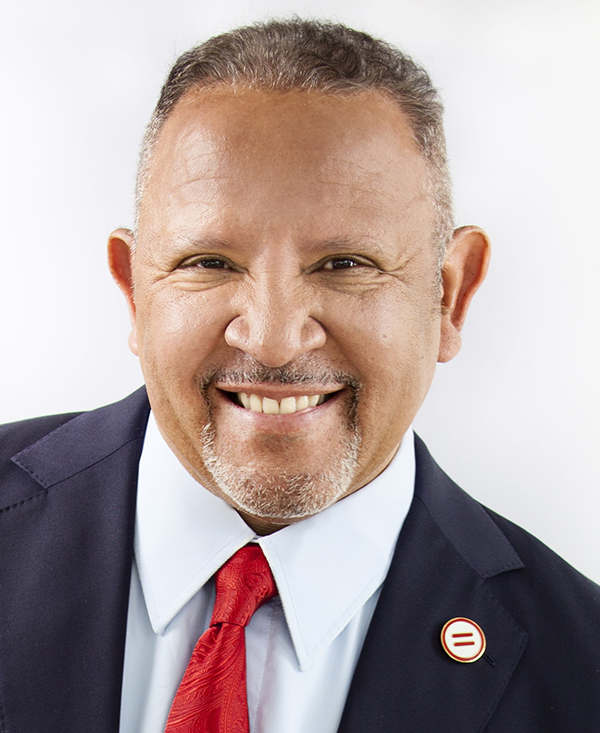
Marc H. Morial is the president and chief executive officer of the National Urban League.