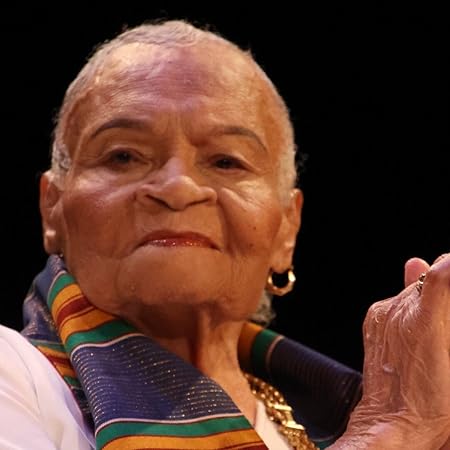
Viola Fletcher
By Stacy M. Brown
Contributing Writer
TULSA, Okla. — Viola Fletcher, the oldest known survivor of the 1921 Tulsa Race Massacre, died Nov. 24. She was 111. Tulsa Mayor Monroe Nichols said Fletcher’s death marks a moment of mourning for a city still learning how to reckon with its own truth.
“Today, our city mourns the loss of mother Viola Fletcher, a survivor of one of the darkest chapters in our city’s history,” Nichols said. “Mother Fletcher endured more than anyone should, yet she spent her life lighting a path forward with purpose. Her legacy will be carried forward with the courage and conviction she modeled every day of her life.”
Fletcher was 7 years old in 1921 a white mob laid waste to Tulsa’s Greenwood neighborhood, a thriving Black-owned business district. The mob destroyed about 35 blocks of the neighborhood within 16 hours, arresting thousands of Black residents, while robbing, beating and killing others. Fletcher spent the rest of her life fighting for justice and bearing witness to what she saw as a child.
Her mission reached the halls of Congress where she demanded reparations for survivors and descendants of the massacre. She co-authored her memoir, “Don’t Let Them Bury My Story,” with her grandson, refusing to allow America the comfort of forgetting.
She also left her words in the archives of Oklahoma State University through oral histories that insisted history would not escape the sound of her voice. During World War II, she worked in a shipyard as an assistant welder. Later, she cleaned houses with a determination that carried her well into her 80s.
During a 2021 journey to Ghana, she received the title “NaaLamiley,” translated as someone strong enough to stand the test of time. Her vision inspired the Viola Ford Fletcher Foundation, which promotes education, health and economic opportunity. Community members honored her in ways large and small, including the gift of custom dentures created to recognize her legacy and impact.
Three years ago, she stood with her brother, Hughes Van Ellis, inside Ghana’s embassy in Washington. She was 108 then. He was 101. Both were sworn in as citizens of Ghana in a ceremony filled with music, dancing children, and the full weight of ancestral return. It was the first time anyone had been sworn in as a citizen inside the Ghanaian embassy.
Stacy M. Brown is the senior national correspondent for Black Press USA.