By Evelyne Musambi
Contributing Writer
NAIROBI, Kenya (AP) — Kenya will pay compensation to almost 2,000 victims of protest-related human rights abuses, President William Ruto said June 15, marking a rare national reparations process outside the judicial system.
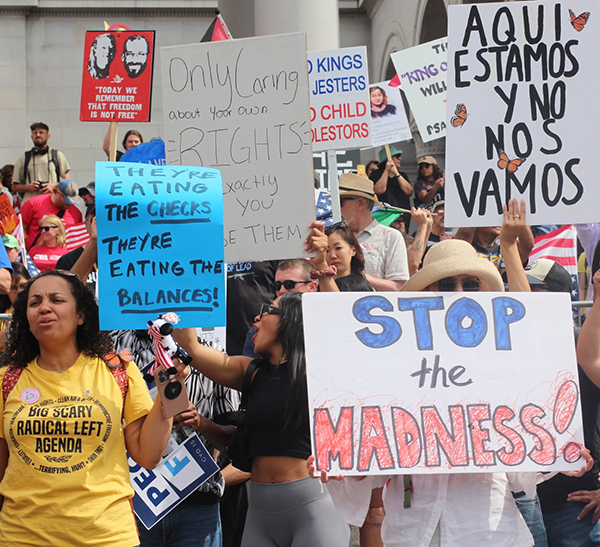
Violent protests in the East African nation have left a trail of destruction in which hundreds of people have died, been injured or suffered business losses. In the most recent incident, two demonstrations over an Ebola quarantine center for Americans left three people dead and dozens of others injured.
The victims of human rights abuses will begin receiving compensation next week after vetting by the state-funded human rights commission. The payout is expected to total $15 million.
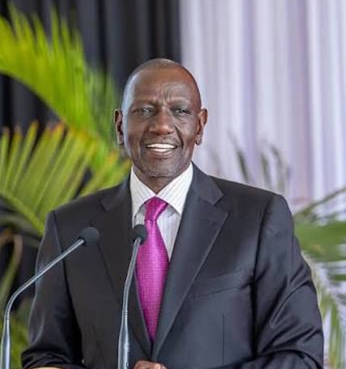
Ruto, speaking during the release of a national Reparations Framework Report, said the compensation represents “a state acknowledgment that harm occurred” and was not an “admission” of guilt.
Dozens of people died and hundreds of others were injured in annual anti-government protests against increased taxes in June 2024 and June 2025. Property worth millions of dollars was destroyed in a series of protests that the government said were infiltrated by criminals.
Ruto said the compensation was not the “price of life, of pain or of loss,” and that should not be seen as a “reward for violence or criminality” in a country where violent protests are common.
“A nation heals by tending to its wounds rather than pretending they do not exist,” he said.
Claris Ogangah, head of Kenya’s National Commission on Human Rights, said the payments would contribute to the nation’s healing.
“The stories captured in the Reparations Framework Report remind us that behind every statistic is a human being — a family and a community whose suffering has often remained unseen and unacknowledged,” she said.
“By giving voice to these experiences, the report contributes to a national process of healing founded on truth, recognition, and remembrance.”
Evelyne Musambi writes for the Associated Press.