THE HUTCHINSON REPORT: Gentrification, not Barrio Athletics, is the real takeover threat

By Earl Ofari Hutchinson
Contributing Columnist
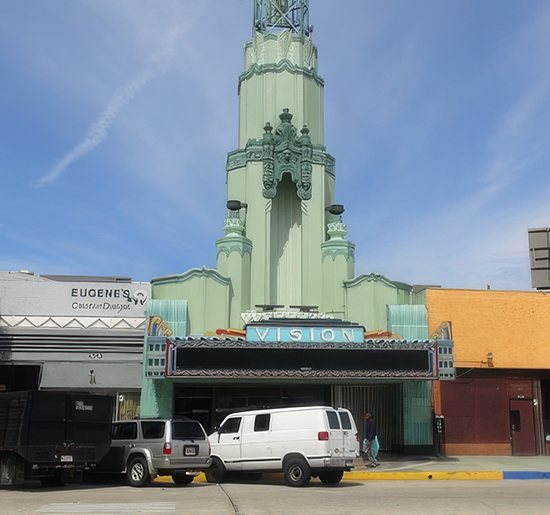
An artificial intelligence search found this about Leimert Park. Eighty percent of the businesses are Black owned. Overall, there are more than 100 businesses in or near Leimert Park that are Black owned.
On any given day there are upwards of an estimated 100 independent vendors in and around Leimert Park. They are almost all Black.
Black renters and homeowners make up the majority of Leimert Park’s more than 12,000 residents. Their homes now edge close to and in many cases top $1 million in sale value. There is no other area in Los Angeles that comes close to this mix of predominant Black business and home ownership.
This model of African American social and economic success is treasured and at the same worried over. That mix of anxiety and racial well-being came to a crashing head when Barrio Athletics, a little-known Latino running and fitness group, announced plans to hold a 5K run and fitness event Sept. 6 in Leimert Park.
Many scratched their heads in puzzlement at the swift, ferocious, and to some borderline racial animus the group’s announcement ignited. Most Black opponents strongly assured it had nothing to do with the organizers being Latino and everything to do with protocol. That they hadn’t gotten permits, did no outreach to established community groups, and would take business from Black vendors.
But some made no apology for lambasting the planned event as a naked effort by Latinos to push Blacks aside in the last primarily Black historic enclave in Los Angeles. Whatever the motive of the opposition, the flap reopened the window of fear by many Blacks over the real takeover. That is the non-stop racial and economic remake of Leimert Park.
The history of that began decades before Barrio Athletics was ever thought of. By the start of the 1970s, major developers had begun to cast their eye on inner-city neighborhoods as potential areas of development. The reason was simple.
The land was relatively cheap and the neighborhoods were in close proximity to the center city. With the wave of new offices, commercial and financial operations centered in or relocating back into the central cities, the value of the land from a price and strategic location made them suddenly a hot development ticket item.
Leimert Park is a prime example of that. It is centrally located, and with land priced at relative bargain rates.
Developers and investors need a fresh batch of buyers who have the income to buy the apartments and homes. Few Blacks fit that bill.
Developers tailor their marketing, sales, and advertising almost exclusively to young white professionals. The major selling point is that they will be able to live in an area that is close to their work and no longer drive hours on the freeways in commute.
Another key selling point for prospective buyers is the new array of upscale shops, restaurants, boutiques, parks, upgraded schools and other amenities. All are designed to conform to their middle class lifestyles.
The picture is far different for many Black longtime residents of the changing neighborhoods. Many of their businesses, small, mom and pop, folded or were bought and converted into one of the trendy upscale boutiques or restaurants. This possibility stirs the greatest fear and threat to current Black business renters and owners in Leimert Park
These businesses do more than provide goods and services to the community. They also provide jobs, income and spur the expansion of Black entrepreneurship. Unfortunately, the sharp increase in property values, rents, and business taxes and expenses loom large as a potential economic death knell for these businesses.

They simply are no longer able to compete. Their loss further would accelerate the economic and business remake of gentrifying areas, Leimert Park again being a prime example.
There is also the critical issue of generational wealth. Home ownership is critical to the building and preservation of wealth within families. The rapid remake of a majority Black area to majority white is rooted squarely on the sale and purchase by whites of Black-owned homes. This is valuable real estate. Real estate that for years remained in the hands of Black families.
Gentrification changes that. Property values increased, property taxes increased, home maintenance costs increased, and with realtors now dangling offers to buy it was difficult if not impossible for many Black homeowners to resist. They are in many cases being priced out of their own long-time homes.
The social and cultural bonds that unite and provide emotional security for generations of Blacks in a remade area such as Leimert Park are shattered as many of the residents are driven out by the escalating prices of the new developments. Many of the Black residents feel they are often regarded by the new move-ins as alien presences in what had once been their community.
A misdirected event in Leimert Park by one incidental group posed no real threat to upset the balance in Black Leimert Park. But it did stir that fear. That’s why it became the flash point issue it did.
Earl Ofari Hutchinson is an author and political analyst. His forthcoming book is “The Garbaging of America” (Amazon ebook and Middle Passage Press).