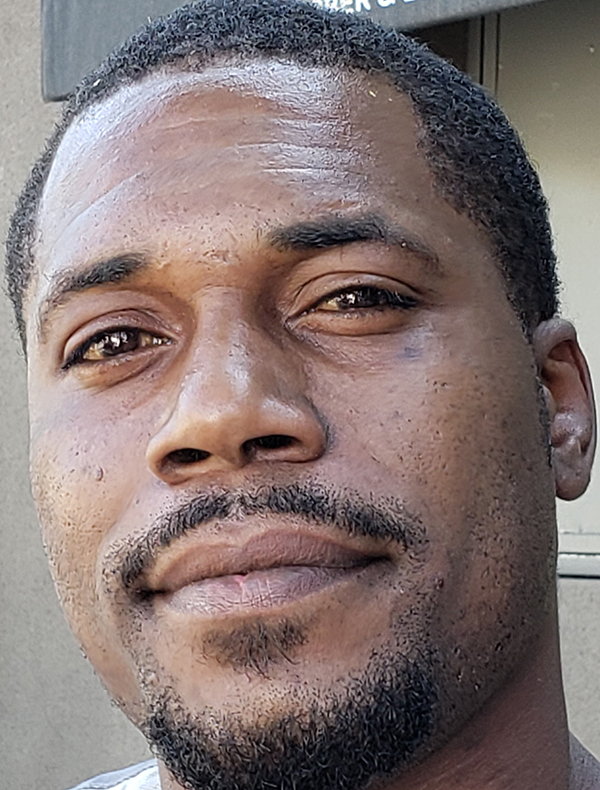
By J. Ellis McGinnis
Guest Columnist
It’s shocking, that around the country, many people either don’t recognize Juneteenth or fail to honor the spirit of what was first celebrated.
This holiday honors the sacrifices and resolve of those whose freedoms were delayed and denied. When emancipation finally arrived in Texas, the last Confederate holdout, formerly enslaved people first searched for what had been cruelly taken from them, their families.
Early celebrations of Emancipation Day, which later became Juneteenth, centered family reunification to stabilize communities, but Black youth without families continue to be lost in this holiday.
The Rev. Jack Yates, one of the first Juneteenth organizers, was born into slavery in Virginia, obtained his freedom, but chose to reenter slavery when his wife and children were sold to a plantation in Texas. Rev. Yates demonstrated the blueprint for future celebrations.
Due to the sentiment of white landowners, it became increasingly difficult for Black people to celebrate in public places. So, Yates organized community leaders and raised funds to purchase Emancipation Park.
He ensured future Juneteenth events helped repatriate families, launch businesses, purchase land, build homes and educate youth. The recognition of Juneteenth became a beacon of resilience and a vehicle for self-determination and self-sufficiency.
Early Juneteenth celebrations featured prayer and spirituals; people wore their best outfits to express dignity and freedom from oppression; red food like hibiscus tea, red velvet cake, and red beans and rice were served to symbolize both the tragedy of slavery and the resilience of West African heritage; and resources were shared to equip Black people with tools to advance themselves.
Later, pioneers like Texas State Reps. Albert Edward and Dr. Opal Lee — the Godmother of the Juneteenth movement — helped ensure its recognition as a national holiday. While I understand the value of personalized celebrations, the true impact of Juneteenth’s legacy becomes diminished when Black youth without families are forgotten.
“We aren’t free until we’re all free.” Those famous words of Fannie Lou Hamer, were often quoted by pioneers in the Juneteenth movement. This year, Juneteenth coincides with America’s 250th birthday. However, in many ways, America has turned back the clock for the Black community.
The recent Supreme Court decision in Louisiana v. Callais, attacks against civil rights institutions, the weaponization of our justice system, and the erasure of Black history are all designed to eliminate the progress we’ve made as a people.
The premise that certain rights were delayed and, in many instances, inaccessible to Blacks in this country has framed every Juneteenth since 1866. And these setbacks further disadvantage Black youth, who continue to slip further from the hope this
holiday once enshrined.
By every measure, Black homeless youth are among the most vulnerable and left behind in our communities, still awaiting freedom. A 2022 report by the U.S. Department of Housing and Urban Development shows Black youth are 83% more likely to experience homelessness than their white counterparts.
Federal health reports indicate that between 66% and 89% of homeless youth have a mental disorder, and suicide rates among Black youth ages 10-17 jumped 144%, surpassing white peers for the first time. When it comes to education, nearly 75% of Black college students lack either food or housing security. The list goes on.
As a young person, I navigated those disparities and understand the urgency to reach those who are on similar paths. I believe systems can and should be designed so that dignity is an expected outcome, not a privilege of the fortunate.
Each year, I honor the legacy of Juneteenth by combating youth homelessness. I’m inspired by the lives of Rev. Yates and others before me, who were willing to reach back and get into the fight for freedom.
This moment in our nation’s history requires a renewed commitment to uplift those in our community who are being left behind. This holiday is a time to remember, to celebrate, but also to act.
Whether by volunteering one’s time, donating to a cause, or taking voices to the streets, now is the time to reclaim and equip future generations to carry forward the promise of
freedom.
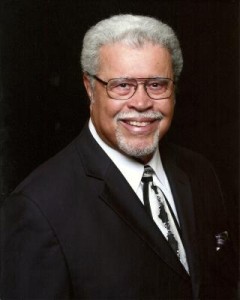
J. Ellis McGinnis is a global strategist and cultural architect with experience spanning Capitol Hill, international partnerships, humanitarian response, entertainment and systems-level social impact.