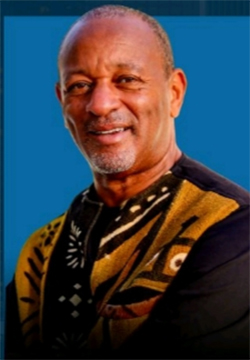
By Najee Ali
Guest Columnist
There are few pains greater than losing a loved one to murder. There is only one thing that makes that pain even worse — never knowing who committed the crime and never seeing justice served.
Across Los Angeles County, thousands of families continue to live with that reality every single day.
According to the Los Angeles County Sheriff’s Department, there are more than 5,000 unsolved homicide cases throughout the county. Behind every one of those files is a human being whose life was cut short and a family that continues to wait for answers. Many have waited years. Some have waited decades.
Justice delayed is justice denied.
As someone who has spent more than three decades standing alongside grieving families, organizing vigils, demanding accountability and comforting parents who have buried their children, I know firsthand that the passage of time does not lessen the pain. Every birthday, every holiday, and every anniversary reopens the wound.
No family should ever feel that their loved one’s life mattered less because they lived in a poor neighborhood, because of the color of their skin, or because their case simply grew old.
The good news is that we are living in an era where advances in forensic science are solving crimes once considered impossible to crack. DNA technology, forensic genetic genealogy, digital evidence and other modern investigative tools have helped law enforcement agencies across the nation identify murderers decades after they believed they had escaped justice.
Los Angeles County should be leading this effort—not falling behind.
We need a comprehensive countywide strategy to address unsolved homicides. That begins with creating a Cold Case Homicide Task Force that brings together the Los Angeles County Sheriff’s Department, the Los Angeles Police Department, municipal police agencies, the District Attorney’s Office, forensic experts and victim advocates to coordinate investigations and share resources.
We also need more homicide investigators dedicated to both current and cold case investigations. Detectives cannot solve murders without the time, staffing, and resources necessary to thoroughly investigate every case.
The county should expand DNA testing and forensic genetic genealogy, conduct a systematic review of unsolved homicide files to identify cases that can benefit from today’s technology, publish an annual public report on unsolved murders and clearance rates, strengthen services for victims’ families, and increase rewards and community partnerships that encourage witnesses to come forward.
These are practical, achievable reforms that can save lives, bring closure to families, and hold violent offenders accountable.
This should not be a partisan issue. Murder does not discriminate based on political affiliation, race, religion, or economic status. Justice shouldn’t either.
Every unsolved murder leaves behind more than an unanswered question. It leaves families trapped in grief, communities fearful, and dangerous offenders free to victimize others.
Justice has no expiration date.
Los Angeles County has both the responsibility and the opportunity to become a national leader in solving cold cases. Doing so would send a powerful message to every grieving family: your loved one has not been forgotten, your case still matters, and we will never stop pursuing justice.
The measure of a justice system is not only how it responds to today’s crimes, but whether it continues fighting for yesterday’s victims.
It’s time for Los Angeles County to make solving unsolved murders a public safety priority. Thousands of families have waited long enough.
Najee Ali is a longtime community advocate in South Los Angeles.