By Edward Henderson
Contributing Writer
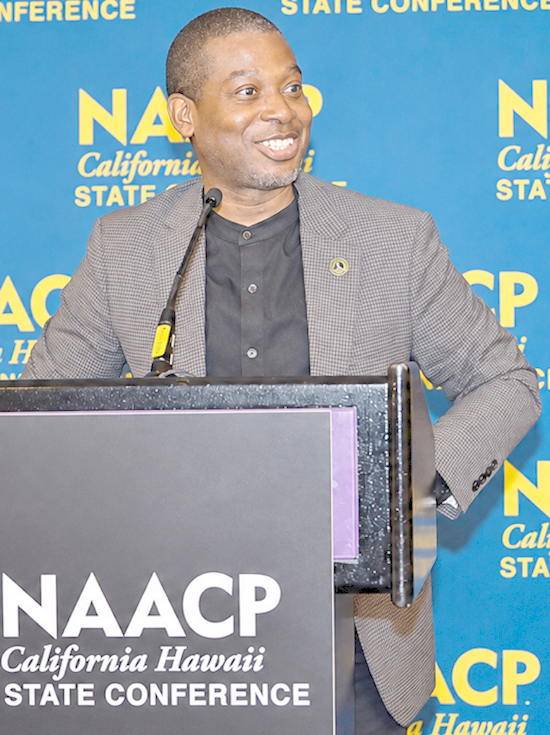
LONG BEACH — The NAACP California-Hawaii State Conference concluded its 39th annual convention Oct. 25, reaffirming its commitment to civil rights, civic engagement and economic equity.
Held Oct. 22–25 under the theme “We the People: Will Not Be Deterred,” the convention brought together NAACP members from local branches and youth and college units across California and Hawaii.
“We come together at a critical moment,” state President Rick L. Callender said in his welcome statement. “Our civil rights, voting rights, educational opportunities, economic security, history, and democracy continue to face serious challenges. This is not the time to become discouraged or distracted. It is the time to become even more determined.”
Elected officials, community leaders, labor representatives and young people also attended the four-day convention, participating in discussions, workshops and celebrations focused on issues affecting Black communities and other communities of color.
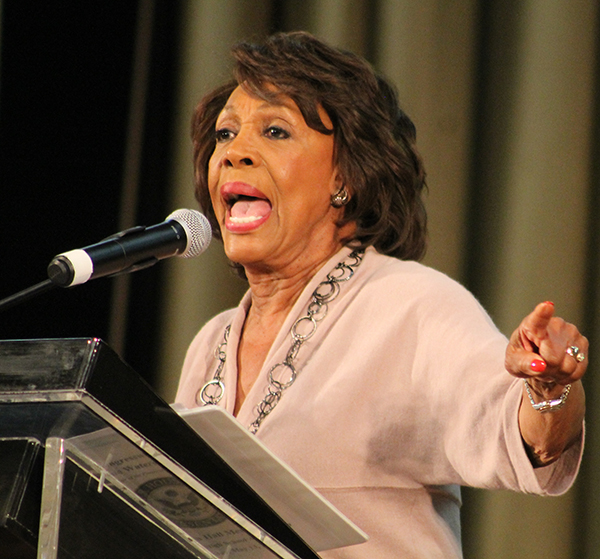
Among guests were U.S. Sen. Adam Schiff, D-California; U.S. Rep. Maxine Waters, D-Los Angeles; state Superintendent of Public Instruction Tony Thurmond; civil rights attorney John L. Burris; J. Luke Wood, Cal State Sacramento president; and LaNiece Jones, president and CEO of Black Women Organized for Political Action.
“‘We Are in the Thick of It,’ underscores the urgency of collaboration and collective action,” Jones said. “We have a tremendous opportunity to strengthen partnerships between NAACP CA/HI, BWOPA California, sororities/fraternities and Black-led community organizations statewide — expanding civic engagement, developing future leaders, and continuing to build Black political power.”
“Our organizations were not created simply to sustain themselves; we were created to sustain our people’s will to progress,” Jones added.
The California-Hawaii State Conference coordinates advocacy, organizing and community engagement through its regional network of branches in both states.
The annual convention provides an opportunity for members and leaders to assess progress, establish priorities and strengthen partnerships, according to organizers.
This year’s gathering explored the connections between civil rights, political participation, environmental justice and economic opportunity, emphasizing the importance of turning advocacy into meaningful community improvements.
In a statement provided to California Black Media, Callender emphasized that the convention’s conclusion marked the beginning of another phase of the organization’s work.
“Our 39th annual convention in Long Beach sent a clear message: We will not be deterred,” Callender said. “Now it’s time to act. Get our communities to the polls on November 3. Defend our civil rights. Advance the priorities of Black communities and other communities of color in 2027 and beyond. The convention is over. The work continues.”
Environmental and climate justice and economic development were central themes, with discussions focusing on addressing environmental disparities affecting underserved communities, strengthening protections and expanding economic opportunities through community investment and sustainable development.
Members also addressed the organizational strength needed to sustain this work, including strengthening local branches, expanding membership and ensuring the state conference remains equipped to advocate effectively for its communities.
Political participation and the relationship between civil rights advocacy and organized labor also figured prominently. The Political & Labor Luncheon provided a forum for conversations about political leadership, civic engagement and the role of labor organizations in advancing shared priorities
Assemblyman Mike Gipson, D-Gardena, reflected on this year’s convention in an Instagram post, expressing appreciation for the opportunity to participate alongside fellow advocates.
“You make me grateful to be among leaders dedicated to advancing equity, civil rights, and stronger communities,” Gipson wrote.
The emphasis on voting carried particular significance as Callender challenged members to translate the convention’s conversations into voter outreach, community organizing and continued advocacy. He also urged attendees to vote – and turn their ballots in early, if possible.
Youth leadership was another important component of the gathering. Programming organized by the Youth and College Division engaged younger members in discussions about leadership, civic responsibility and the future of the civil rights movement, reinforcing the importance of preparing the next generation of advocates.
The convention also recognized individuals whose contributions have helped advance civil rights and strengthen communities. The convention program identified Burris as the honoree at the 16th annual Legacy Hall of Fame Awards Dinner. Veterans also were honored, while a prayer and memorial breakfast provided an opportunity to remember those whose contributions helped shape the movement.
“When we say, ‘We the People: Will Not Be Deterred,’ we mean that we will continue to organize, advocate, educate and hold institutions accountable … and prepare for the work that must continue long after this convention ends,” Callender said.
Edward Henderson writes for California Black Media.