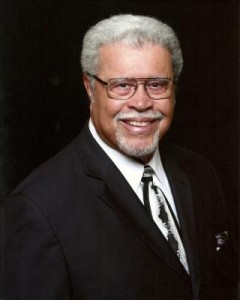
By John Grace
Contributing Columnist
The financial industry loves to debate advisor fees. Is 1% too much? Should investors use low-cost index funds instead? Can technology replace a human advisor?
Those are reasonable questions. But they may miss the bigger one: What is the cost of not having a plan when markets go wrong?
For investors accumulating wealth, market declines can be uncomfortable but potentially useful. A paycheck continues arriving. Contributions continue going into retirement accounts. Lower prices can create buying opportunities.
Retirement is different.
When an investor is withdrawing money from a portfolio, a major market decline can become more than a temporary setback. Selling investments while they are down to pay the bills can lock in losses and leave fewer assets available to participate in the eventual recovery.
That’s sequence-of-returns risk, and it doesn’t care how low your investment expenses are. Consider a simple example. A portfolio that loses 50% needs to gain 100% just to get back to its starting value. Now add withdrawals during the decline. The mathematics become even more unforgiving.
This is where an advisor should earn the fee. Not by claiming to predict the next bear market. Nobody consistently knows when the storm will arrive. The value is in building the ark before it rains.
A capable advisor should help determine how much risk a client can afford, establish a withdrawal strategy, manage taxes, maintain liquidity, diversify intelligently and respond with discipline when markets become irrational.
That may mean moving some assets away from excessive risks rather than automatically “buying the dip.” It may mean holding cash or using strategies designed to limit losses. It may mean looking beyond the traditional 60/40 portfolio toward carefully selected alternative investments.
And there is something else an advisor can provide that doesn’t show up on a Morningstar expense ratio: behavioral discipline. Investors often discover their true risk tolerance only after losing 25% of their portfolio.
By then, it’s a little late to discover it.
The question shouldn’t be whether an advisor can beat an index every year. It should be whether the advisor can improve the probability that a client reaches their financial destination without taking unnecessary risks along the way.

The goal isn’t to eliminate every loss. That’s impossible. The goal is to limit losses that can permanently impair a retirement plan.
So, when is an advisor worth the cost? When the advisor’s value exceeds the fee — through better planning, better behavior, better risk management and fewer costly mistakes.
Because a 1% fee can look expensive on a statement. Another 40% mistake can look a lot worse. We can agree that preparation trumps prediction.
John Grace is a registered representative with LPL Financial. His On the Money column runs monthly in The Wave. The opinions expressed here are for general information only and are not intended to provide specific advice or recommendations for any individual. Grace can be reached at https://www.westlakefinancialadvisors.com.
LIFTOUT
The goal isn’t to eliminate every loss. … The goal is to limit losses that can permanently impair a retirement plan.