By Solomon O. Smith
Contributing Writer
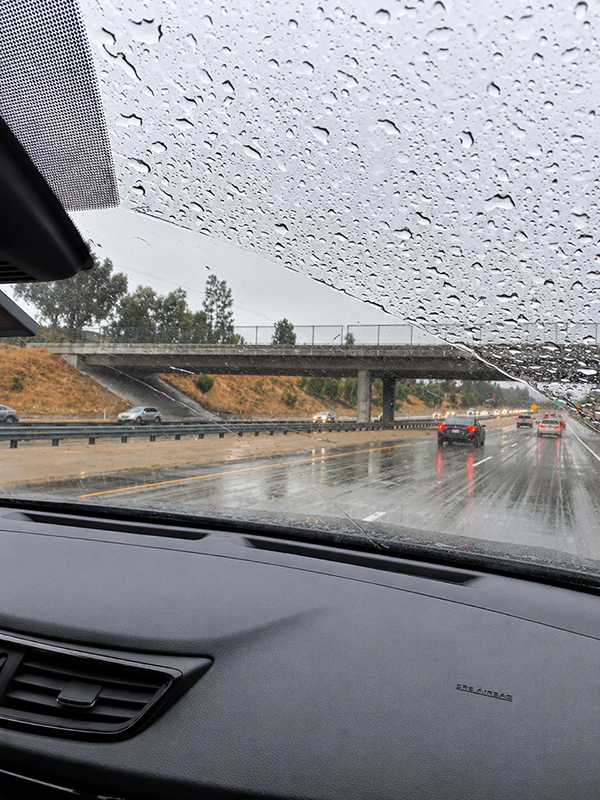
SACRAMENTO — Recent storms soaked parts of Northern and Southern California, brought heavy snow to the mountains and coincided with king tides that contributed to hazardous surfing conditions along sections of the coast.
As more storms are expected this winter, state and local officials are sharing resources to help Californians prepare. Rain has already caused flooding in several communities.
At an online briefing hosted Nov. 13 by California Black Media, American Community Media and the California Governor’s Office of Emergency Services, officials discussed how residents can prepare for severe weather.
“California is heading into a winter shaped by one of the strongest El Niño patterns on record,” said Matt Notley, Cal OES’ deputy director. “But the state has been preparing since last summer and our efforts now are about making sure our preparedness message reaches every community.”
El Niño is a climate pattern marked by warmer-than-average ocean temperatures in the tropical eastern Pacific. It can shift weather patterns and increase the odds of a wetter winter in California, though it does not guarantee severe storms in every area. The National Oceanic and Atmospheric Administration says a strong to very strong El Niño is likely from January through March. The storms also come on the heels of a longer-than-usual fire season.
Michael Anderson, the California Department of Water Resources’ climatologist, said elevated ocean levels can “amplify” flooding during king tides. Californians typically experience king tides in late fall and winter. Anderson said residents can expect rain to arrive in bursts lasting two to three days.
“Timing, pace, and scale of the storms drive the impacts,” Anderson said. “Storm size and time between the storms are really important. Coastal impacts have already started. They will amplify as the season evolves. So, if you are along the coast, please be careful.”
Understanding weather patterns is one part of preparing. Gov. Gavin Newsom proclaimed a state of emergency on Sept. 21 because of the developing 2026-27 El Niño, an early step to prepare for potential severe weather, according to Brian Ferguson, Cal OES’ chief deputy director of policy.
The Department of Water Resources has seven interagency incident management teams statewide, with more than 250 staff members ready to respond to flooding. The department has staged flood-fighting materials at locations across the state, including sandbags and rock for emergency repairs. It also trains local responders in flood fighting and provides flood emergency response grants to communities that need support.
Cal OES prepares for El Niño year-round through partnerships with tribal leaders, federal agencies and local community organizations.
The Ready California website offers disaster alerts, preparation guidance and printable materials, including flip books and fact sheets, in multiple languages.
Among its recommendations, Ready California advises residents to check whether their home or workplace is in a flood-prone area; clear gutters and storm drains; fix roof leaks; trim trees; and get sandbags early. Residents should also sign up for local emergency alerts, prepare a Go Bag with medications and important documents, keep flashlights and charged phones nearby, and follow evacuation orders. This is a partial list of tips.
Cal OES is coordinating with local agencies responsible for infrastructure that could be affected by storms, including dams, levees and reservoirs. The governor’s office has placed the California National Guard on alert in case it needs to activate the Guard under Title 32, which allows it to serve under state command with federal support. Ferguson also emphasized streamlining processes to support “priority populations,” or people who face the greatest risks.
“So, we’re really trying to start early by talking to folks, getting the word out, and also how do we support communities on the front end so we can ultimately keep as many folks safe as possible,” Ferguson said. “Taken together, these actions help reduce the risk that we face and also improve public safety before the storms arrive.”
The California Water Watch website lets users check precipitation and other water conditions by address or ZIP code. Anderson said California should see short periods of stormy weather “every couple of weeks.”
The state is encouraging residents to prepare now. Cal OES and the governor’s office have emphasized the importance of having an emergency plan.
For more information, visit the Ready California website and sign up for emergency alerts, find disaster help or read preparedness and make a plan.
Solomon O. Smith writes for California Black Media.