By Emilie St. John
Contributing Writer
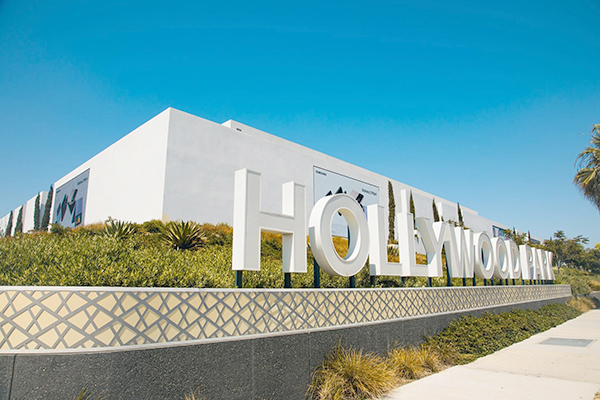
INGLEWOOD — A judge has voided the 2015 development agreement that transformed the defunct Hollywood Park Racetrack into an internationally known sports and entertainment venue.
On Sept. 1, Los Angeles Superior Court Judge David K. Reinert ruled in favor of the city’s position that the 2015 development agreement is void and unenforceable because it was adopted through the voter initiative process rather than the statutory process required under California law.
The ruling means that Hollywood Park cannot enforce the agreement’s provisions against the city, including those concerning vested development rights and reimbursement for public infrastructure improvements and services.
The decision has huge repercussions for the 300-acre SoFi Stadium/Hollywood Park development, said Skip Miller, a partner at Miller Barondess and lead counsel for the city of Inglewood.
Hollywood Park pursued a development agreement with the city. Rather than following the statutory process, it prepared a voter-sponsored initiative in 2015 to amend an earlier 2009 development agreement and allow construction of SoFi Stadium.
The city adopted the initiative and the development agreement in February 2015.
In 2018, the California Court of Appeal held in Center for Community Action & Environmental Justice v. City of Moreno Valley, that California’s development agreement statute requires a legislative process involving negotiation between local government and developer, public hearings, and because the authority to enter such agreements derives from statute, an agreement adopted through an unauthorized process, like an initiative, is void.
As a result of the Moreno Valley decision, the city took the position that it could not continue performing obligations under an agreement that is void under California law. Among other provisions, the 2015 agreement called for reimbursement of public infrastructure improvements and services once specified tax-revenue thresholds were met. Hollywood Park alleged those thresholds had been reached and sued the city for more than $400 million after the city declined payments.
The city defended the suit, maintaining that a development agreement cannot be adopted through initiative because that process is “take it or leave it” and lacks the legislative “give and take” required by statute. The court agreed, concluding that the voter-initiative process could not create a valid statutory development agreement. As a result, the 2015 development agreement is void and cannot support the contractual or vested rights Hollywood Park sought to enforce.
“This decision has huge repercussions for the 300-acre SoFi Stadium/Hollywood Park development,” Miller said. “It means that without a valid development agreement, Hollywood Park/SoFi Stadium no longer has vested rights and that the city has no further obligations under the 2015 development agreement. It’s a very important win for the city. This ruling aside, the city and the developer have agreed to engage in talks aimed toward a resolution so the project can move forward.”
Inglewood voters are now being asked to amend the city’s admission tax to a tiered system to capture revenue that was previously unattainable due to the development agreement.
Measure AT, the Ordinance to Amend the Admissions Tax for Large Venues, is on the Nov. 3 ballot.
If approved, the current $15 million cap on admissions tax generated from Hollywood Park would be eliminated, and a tiered system with rates of 10% and 2.5% would be implemented based on venue seating capacity. The new rates would not apply to the Intuit Dome due to its development agreement with the city.
Companies held by Steve Ballmer, Murphy’s Bowl and Forum Entertainment filed their intent to appeal on Sept. 8.
Emilie St. John is a freelance journalist covering the areas of Carson, Compton, Inglewood and Willowbrook. Send tips to her at emiliesaintjohn@gmail.com.